Tendonitis is a thief of momentum. It sneaks up after a strong training cycle or a long weekend on the trails, then lingers just long enough to derail a season. I see it weekly in clinic, from marathoners tapering for race day to recreational tennis players who suddenly feel a knife edge at the back of the heel. As an orthopedic podiatrist and foot and ankle specialist, I take a pragmatic view: identify the specific tendon, understand why it is overloaded, calm the fire, then rebuild capacity so the problem does not return when training resumes.
This piece cuts through vague advice and focuses on how active adults can navigate tendonitis with a plan that respects both biology and goals. I will use plain language where possible, share what tends to work, and call out traps that prolong symptoms unnecessarily.
Tendonitis versus tendinopathy, and why words matter
Most people say tendonitis for any tendon pain. Technically, tendonitis describes a short-term inflammatory flare, while tendinopathy covers a broader spectrum of tendon overload, microdegeneration, and thickening that develops over time. The distinction matters because it changes management. A true early tendonitis episode responds quickly to relative rest, ice, and short-term anti-inflammatories. A chronic tendinopathy rarely resolves with a week off and ibuprofen. It needs progressive loading, find a foot and ankle surgeon NJ patience, and sometimes targeted procedures that stimulate remodeling.
When you visit a podiatrist or orthopedic foot doctor with tendon pain, we narrow the diagnosis further. In the foot and ankle, the usual suspects include Achilles, posterior tibial, peroneal, and extensor tendons. Each has a distinct failure pattern and set of risk factors. A sports podiatrist or foot and ankle pain doctor differentiates these by palpation, resisted movements, gait analysis, and if needed, ultrasound.
The four tendons that drive most clinic visits
Achilles tendon issues dominate in runners and jump sports. You feel a stiff, sometimes nodular pain two to six centimeters above the heel, worse with first steps in the morning and after uphill work or speed intervals. The insertional variant lives right where the tendon meets bone and often pairs with a bony prominence. The midportion version, farther up the tendon, behaves differently and tolerates loading protocols better.
Posterior tibial tendon problems often show up in hikers, dancers, and anyone who spends long days on their feet. Pain sits along the inside of the ankle and can creep into the arch. If ignored, the arch can collapse over months, turning a training nuisance into a structural foot problem. A foot and ankle biomechanics specialist recognizes early weakness on single heel rise and a subtle valgus drift of the heel.
Peroneal tendon pain rides the outside of the ankle, typically after a misstep, sharp cut, or cambered trail that forces repeated inversion. It can masquerade as a lateral ankle sprain, but the tenderness runs behind the fibula and down to the base of the fifth metatarsal. These tendons stabilize during push-off and trail running on unstable ground.
Extensor tendonitis is the desk sleeper that wakes up with a change in lacing or new shoes. The top of the foot becomes tender, especially under tight eyelets. It is usually a mechanical irritation that settles with changes in footwear and lacing, plus temporary load adjustment.
A foot and ankle diagnostic specialist looks for contributing factors: calf tightness, limited ankle dorsiflexion, forefoot varus or valgus, leg-length difference, and prior injuries that altered gait. These aren’t side notes. They explain why a tendon failed and guide the plan that keeps it from failing again.
What a thorough evaluation looks like
I start with the training timeline. Most active adults can pinpoint the week their symptoms started. We check for spikes: new hills, speed sessions, back-to-back long runs, hard court play after months on grass, or a transition to minimalist shoes. Then I watch gait on a treadmill, barefoot and in current trainers, and sometimes run a slow motion capture to see how the foot and ankle load during stance. If pain is focal and exam is clear, imaging can wait. When symptoms persist beyond six to eight weeks, or there is a palpable defect, significant weakness, or suspicion of a partial tear, I use ultrasound in clinic. It is dynamic, quick, and shows tendon thickness, tears, sheath effusions, and neovascularity. MRI enters when we need a comprehensive preoperative map or deeper look at adjacent structures.
A foot jersey city, nj foot and ankle surgeon and ankle physician or podiatric physician performs a hands-on exam that isolates the painful segment. For Achilles issues, I palpate the tendon along its course, stress it with heel rises, and check for insertional spurs. For posterior tibial tendon problems, I test single-leg heel rise and check for forefoot abduction. For peroneals, I evaluate resisted eversion, try to reproduce crepitus behind the fibula, and test for subluxation. The goal is to stop guessing and target the right tissue.
Early-phase management: calm the irritability without deconditioning
Most active adults fear rest because they equate it with losing fitness. Rest can be precise and temporary, not a sentence to the couch. In the first 7 to 14 days, I dial training intensity down to a level that avoids pain during and after sessions, then substitute cardiovascular work that offloads the tendon. Deep water running, cycling with low resistance, and pool intervals maintain aerobic capacity without tendon strain.
Ice helps some patients, especially when swelling or warmth is present, but it is not the main event. Short courses of NSAIDs can help with true tendonitis or surrounding bursitis, though they do not remodel tendon tissue. Topical NSAIDs provide local relief with a lower systemic dose. If pain sits at the insertion with visible bursitis, I sometimes use an ultrasound guided bursal steroid injection, but I avoid injecting steroid into tendon substance because it weakens collagen and raises rupture risk.
Footwear changes pay quick dividends. For midportion Achilles issues, a slight heel lift reduces strain and morning pain. For insertional Achilles, a stiffer heel counter and modest heel-to-toe drop protect the insertion. For posterior tibial tendon support, a shoe with firm medial posting and a stable midsole improves comfort right away. A foot arch specialist or foot and ankle alignment specialist can fine tune orthoses if the arch collapses under load.
The loading program: where most recoveries are won
Once irritability settles, progressive loading becomes the cornerstone. Tendons respond to tension. Without it, they do not regain capacity. With too much, too soon, they flare. The sweet spot is individualized, but most programs share a pattern: slow, controlled, and consistent progressions measured in weeks, not days. I often structure sessions on nonconsecutive days at first to allow adaptation.
For midportion Achilles tendinopathy, heavy slow resistance with calf raises works well. Start with bent-knee and straight-knee variations to hit both soleus and gastrocnemius. Tempo matters. A count like 3 seconds up, 3 seconds hold at the top, 3 seconds down gives the tendon time under tension it needs. If bodyweight is easy, hold dumbbells or load a barbell. Eccentric-only programs are still useful, but heavy slow resistance tends to be more comfortable for many.
Insertional Achilles behaves differently. Pure eccentric work over a step can aggravate the insertion. For these patients, limit dorsiflexion depth initially. Work on level ground, add isometrics for pain modulation, then gradually increase the range.
Posterior tibial tendinopathy demands exercises that resist pronation and strengthen the medial chain. Seated and standing inversion with bands has a place, but function improves when we load closed-chain movements: controlled heel rises focusing on keeping the heel centered, short foot exercises with progressions to single-leg stance, then step-downs with arch control. A foot and ankle mobility expert will also address calf and hip flexibility to offload the medial ankle.
Peroneal tendinopathy benefits from eversion strength and lateral stability. Side steps with bands, single-leg balance on unstable surfaces, and tempo step-downs off a lateral edge train the kinetic chain. For trail runners, I add uneven-surface drills once symptoms allow, to prepare for cambered ground.
Extensor tendonitis often clears with shoe and lacing changes, but strength and mobility of the anterior compartment can be tuned with dorsiflexion resistance and ankle mobility work, especially after a period of stiff boots or tight lacing.
I measure progress with two markers: function during the session and symptom response over the next 24 to 48 hours. A small increase in soreness that resolves by the next day is acceptable. A spike that lingers means back off a notch and progress more slowly.
Gait and technique adjustments that stick
Changing biomechanics is not about forcing a new stride. Small tweaks reduce peak tendon load without ruining efficiency. Runners with Achilles and posterior tibial issues often improve with a slightly higher cadence, typically 5 to 10 steps per minute above baseline. This shortens stride and reduces impact per step. Uphill workouts flare insertional Achilles more than midportion Achilles, so hill sprints can wait until the tendon tolerates load comfortably on level ground. Downhill running increases eccentric load; I bring it back late in rehab.
Court athletes with peroneal or Achilles problems do better when early drills emphasize linear movement with controlled deceleration before reintroducing aggressive cutting. Hikers with posterior tibial pain benefit from trekking poles during steep descents and footwear with a supportive midsole and secure heel counter.
A foot and ankle motion specialist brings an eye for subtle compensations: excessive toe-out, knee valgus on landings, or ankle dorsiflexion limits that force early heel rise. Addressing these yields durable results.
Orthoses, taping, and bracing
Support devices do not cure tendinopathy, but the right tool can turn intolerable activity into tolerable training while the tendon adapts. Posterior tibial problems respond to medial arch support and a deep heel cup. Over-the-counter devices with semi-rigid posting work for many. Custom orthoses become more important if there is significant forefoot varus, midfoot collapse, or a return-to-duty requirement where durability matters.
Peroneal tendinopathy may calm with a lateral wedge or a shoe that resists inversion. An ankle lace-up brace can add stability during higher-risk drills.
Achilles symptoms rarely need a brace. Heel lifts inserted in both shoes improve comfort while we rebuild strength. As load tolerance improves, we phase them out.
Taping is a useful short-term tool. Low-Dye taping or medial arch taping supports posterior tibial function for a long run or a tournament weekend, but it should not replace strength work.
When to image, inject, or consider procedures
If diligent load management, footwear changes, and a focused strengthening plan do not change the trajectory after 8 to 12 weeks, I reconsider the diagnosis and obtain imaging. Ultrasound often shows whether a tendon is thick and disorganized, has a partial tear, or simply sits within an inflamed sheath. MRI helps when pain does not match the exam or when more than one structure may be involved.
Platelet-rich plasma has a role in select chronic cases, particularly midportion Achilles and some peroneal or posterior tibial tendinopathies, when conservative care has been extensive and consistent. Evidence is mixed, and technique matters. I use ultrasound guidance to deliver PRP directly to the pathologic area, then pair it with a structured progressive loading plan. The recovery window is several weeks, and honesty about training goals is essential.
I avoid corticosteroid injections into tendon substance. Around the tendon in a sheath, carefully dosed steroid may help with peroneal or posterior tibial tenosynovitis, but we use it sparingly and never near the Achilles tendon.
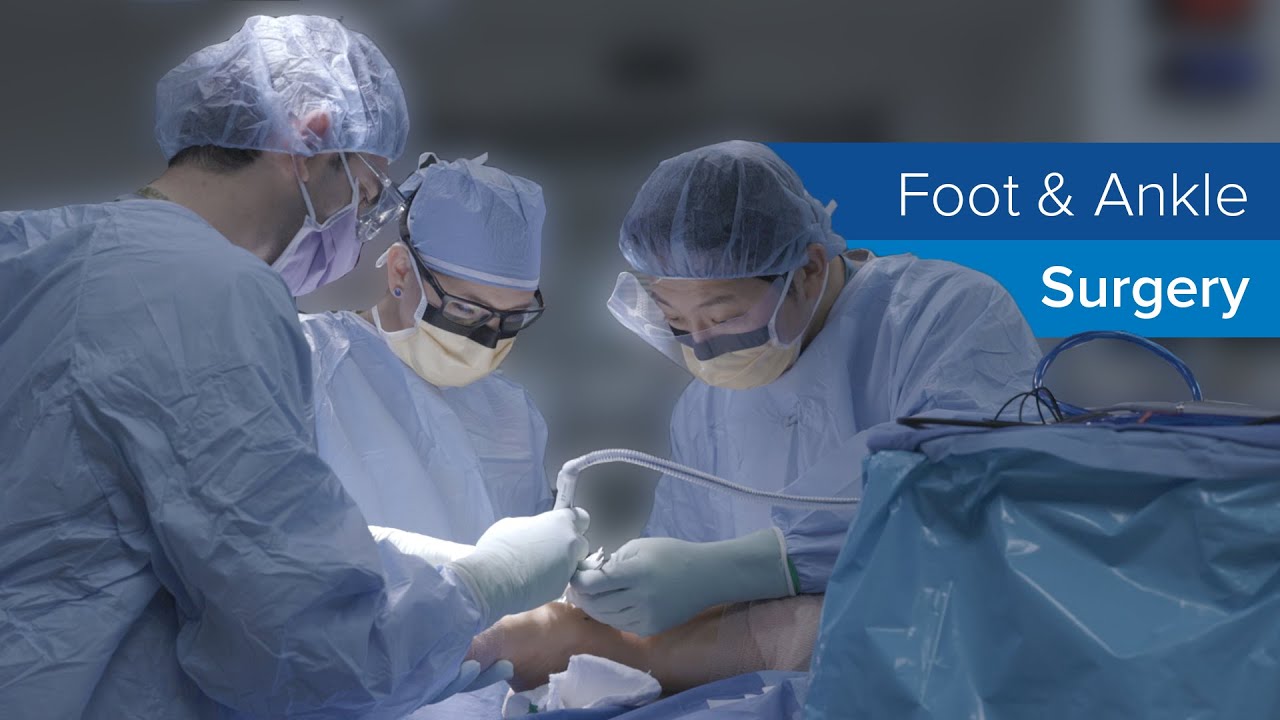
Surgery is a last resort for truly recalcitrant cases or when there is substantial structural damage: longitudinal tears in the peroneals, advanced posterior tibial dysfunction with progressive flatfoot, or insertional Achilles disease with large enthesophytes. A foot and ankle surgery specialist may debride degenerated tendon, repair tears, and in some cases transfer healthy tendon to restore function. Minimally invasive foot surgeon techniques, including endoscopic debridement or small-incision calcaneoplasty for insertional disease, can shorten recovery when appropriate. The preoperative plan is individualized, and a foot and ankle reconstruction specialist will outline candid pros, cons, and timelines.
Timelines that respect biology
Active adults want dates on a calendar. Here is what I see most often when the plan is followed and there is no significant tear:
- Midportion Achilles: noticeable improvement in 4 to 6 weeks, confident return to tempo runs or court drills by 10 to 14 weeks, with continued strengthening for several months. Insertional Achilles: slower, often 8 to 12 weeks to settle, with hills and deep dorsiflexion delayed until comfort is stable on flat ground. Posterior tibial tendon: variable. Mild cases settle in 6 to 10 weeks with support and strength work. If the arch has begun to drift or there is a longstanding issue, expect several months and more reliance on orthoses. Peroneal tendons: if primarily tenosynovitis, improvement within 3 to 6 weeks. If there is a split tear, training can proceed with care, but full resolution may take longer, and surgery may be necessary in a subset.
These ranges assume a methodical approach, not a boom-bust pattern of rest followed by ambitious test runs.
Return-to-sport benchmarks
A structured return beats guesswork. Before greenlighting full sport, I look for three signposts. First, you can perform single-leg heel rises pain-free and with symmetry. For Achilles and posterior tibial issues, 20 quality reps is a useful threshold. Second, plyometric tolerance is back. Start with pogo hops, then low box jumps, progressing to single-leg hops without pain during or the day after. Third, sport-specific drills feel smooth. Runners hit prescribed cadence and pace on flat terrain without a next-day flare. Court athletes complete lateral shuffle and deceleration drills with confidence.
Real-world patterns and pitfalls
A few recurring scenarios illustrate how small adjustments change outcomes.
A triathlete with midportion Achilles pain who only rested the run continued to flare. The hidden driver was aggressive calf work in the gym and low-cadence, high-torque cycling sessions. Adjusting cadence to 90-plus on the bike, scaling back calf work temporarily, and shifting to heavy slow resistance for the Achilles broke the cycle. He returned to brick workouts at week 10 without a rebound in symptoms.
A backpacker with posterior tibial pain had excellent orthoses but kept hiking with a pack that exceeded 20 percent of body weight and a boot that allowed heel slop. Switching to a boot with a rigid heel counter, using trekking poles for descents, and trimming pack weight by 15 pounds turned a chronic ache into background noise. Strength work focused on controlled heel rises with the heel aligned, then step-downs emphasizing arch control.
A trail runner with peroneal pain improved on easy terrain but relapsed on cambered trails. We moved her back to flat dirt roads for a month, added eversion strength and lateral bounding late in rehab, then reintroduced technical segments in short blocks, alternating sides of the trail to avoid constant inversion load. Symptoms faded and stayed quiet when training climbed again.
The common pitfall is impatience. Tendons adapt, but they do not rush for anyone. The other pitfall is chasing passive treatments without building strength. Manual therapy, massage, and dry needling can help with symptom modulation, but they do not replace progressive loading.
When to seek specialist care
Self-management works for many mild cases. Still, a foot and ankle care provider should see you if pain persists beyond 2 to 4 weeks despite smart load reduction, if there is visible swelling or deformity, or if push-off strength drops. Sudden sharp pain with a pop, especially in the Achilles, is an emergency and needs prompt evaluation by an orthopedic foot and ankle surgeon or podiatric orthopedic specialist.
If you have diabetes, inflammatory arthritis, or peripheral neuropathy, the threshold to seek care is lower. These conditions change tissue quality and healing rates, and a podiatric medicine doctor will factor them into the plan.
The team around you
Rehab works best when communication is tight. The athlete, coach, physical therapist, and foot and ankle care expert should align on progression. I often coordinate with a physical therapist who specializes in lower limb sports, sharing exam findings and milestones. Shoe selection may involve a running store with experienced fitters or direct input from a foot and ankle clinic specialist. If surgery becomes necessary, a board certified foot and ankle surgeon or podiatric reconstructive surgeon will map the operative plan and postoperative rehab with the same emphasis on graded loading.
Building tendon resilience for the long term
Once symptoms resolve, the maintenance phase keeps them from returning during peak blocks. Two or three short strength sessions per week can be enough. Continue calf raises under load, progress to single-leg variations, and maintain hip and core work that stabilizes landing mechanics. Keep cadence in your target range, rotate shoes to vary load patterns, and schedule step-back weeks every three to five weeks to let tissues catch up. If you know hills or speed work trigger your tendon, build them methodically with clear guardrails.
Nutrition and sleep matter. Collagen synthesis improves with adequate protein and vitamin C. Simple timing tweaks help: a small dose of vitamin C with a protein-rich snack 30 to 60 minutes before a heavy tendon session is a reasonable strategy. Sleep debt slows tissue repair. You do not need perfection, but you need enough nights above seven hours to let the gains stick.
What a visit with an orthopedic podiatrist adds
You can piece together much of this on your own, yet there is value in a targeted exam and a plan built around your goals. An orthopedic podiatrist or foot and ankle orthopedist brings experience with the subtleties: which Achilles protocols fit insertional versus midportion disease, when a posterior tibial tendon needs imaging, how to modify cycling for a runner during a down week, and whether a lacing change is enough for extensor pain. A foot and ankle tendon specialist can offer ultrasound guidance for procedures when appropriate and knows when surgery is the right call, not the default. Many active adults never need the operating room. Those who do usually want a surgeon who also lives in the rehab details, from the first heel weight to the last plyometric progression.
A compact field guide for training decisions
The brief rules below often keep athletes moving while the tendon heals.
- Keep sessions sub-symptomatic during the workout and symptom-stable the next day. Pain that fades during warm-up then spikes after is a warning, not a green light. Progress one variable at a time. If you add volume this week, do not add hills. If you add hills, do not add speed. Lift heavy, slow, and consistently for tendons. Increase load when the movement is crisp and the next day is quiet. Choose shoes that match the tendon. Posterior tibial likes stable, medially posted support. Insertional Achilles likes a modest heel-to-toe drop and a firm heel counter. Peroneals appreciate lateral stability. Keep a simple log. Note pain during, pain 24 hours later, and what changed in training. Patterns appear faster than memory allows.
Final thoughts from the clinic
Tendonitis feels capricious, but it follows rules. Overload without capacity creates symptoms. Smart load plus time builds capacity. The challenge is tolerating the middle, where improvement is not linear and patience is a skill. With a clear diagnosis, a calm start, and a progressive plan, most active adults return to full training and then some. If your path is not straightforward, bring in a foot and ankle expert early. Whether you see a podiatry specialist, an orthopedic ankle doctor, or a sports injury foot and ankle specialist, insist on a plan that favors measured progression over quick fixes. In the long run, that is how you outrun tendon pain and keep the sport you love.